
AI Infrastructure
From square metres to megawatts
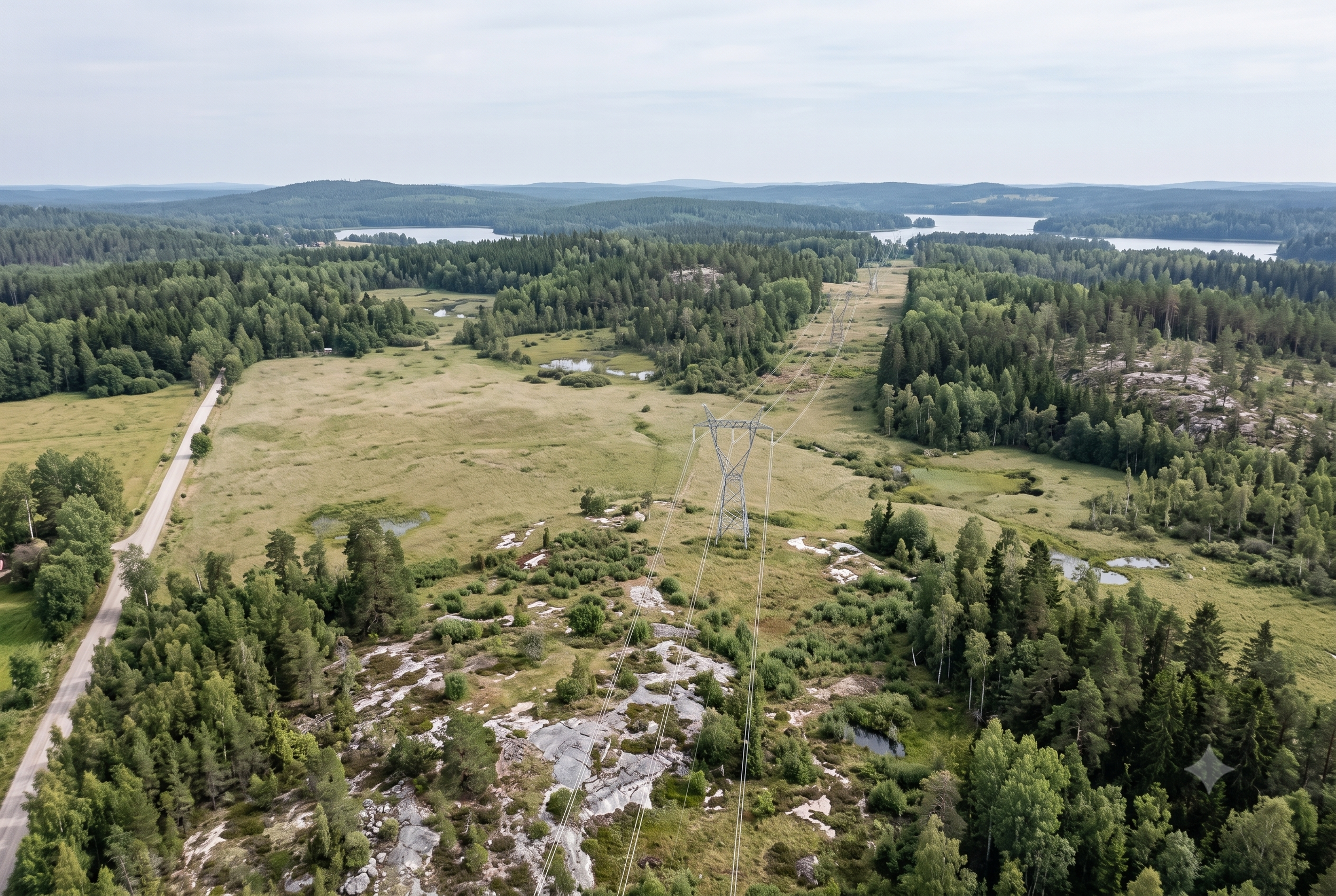
Birk takes land from raw potential to build-ready reality — and hands over positions that are ready for large-scale AI infrastructure.
01
Secure
Land positions secured in close dialogue with municipalities and private landowners, in regions where power, grid capacity and local support make development realistic.
02
Mature
Birk invests its own resources in technical due diligence, environmental, water and power surveys, zoning, building permits and structuring of grid connection (TSO/DSO) — drawing on decades of Norwegian zoning and regulatory experience. Target development window: approximately 24 months.
03
Realise
A shovel-ready campus is handed over to long-term operators or infrastructure investors, who deploy construction capital. Market dialogue is maintained throughout the development phase, so every position is matured against real end-customer requirements — and the host region gains a project that is ready to deliver.
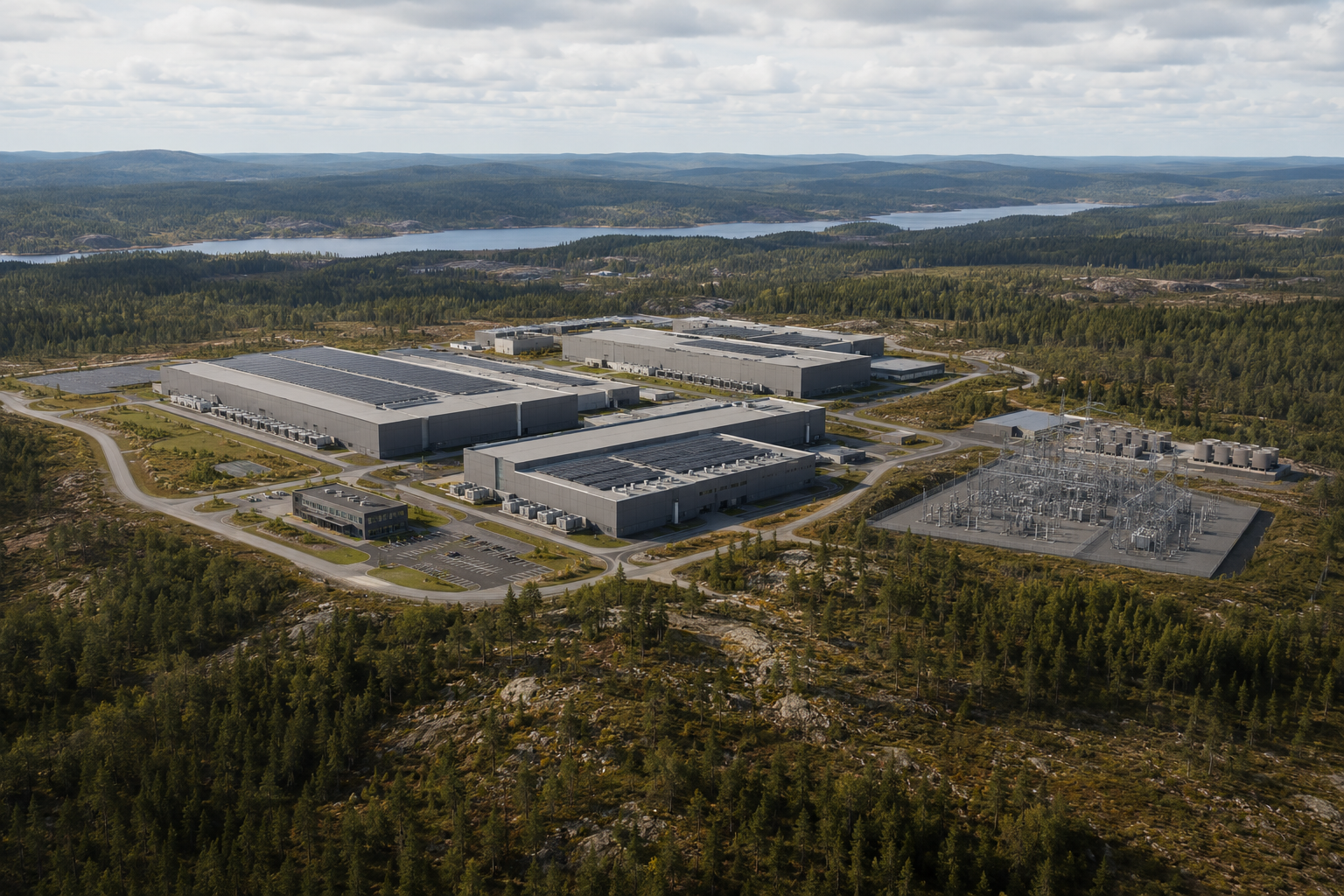
Concept illustration
Origination
Value creation
Exit
Site criteria
Every position is screened against four criteria —
only sites that pass all four are taken forward
01. Power
Available capacity and price.
02.
Grid
Connection feasibility and lead time at regional and transmission level.
03.
Land and zoning
Ownership, planning status, municipal support.
04.
Fibre
Redundant connectivity to international routes.
The market
The rollout of AI is creating capacity demand without historical precedent. The bottleneck is no longer capital or technology — it is access to power and build-ready land.
Grid-connection lead time is the critical factor: new connections are measured in years, not months, and a site with secured power carries scarcity value that raw land does not.
The Nordics hold a durable advantage — competitive power prices, one of the highest shares of renewables in Europe, natural cooling, established fibre infrastructure and political stability.
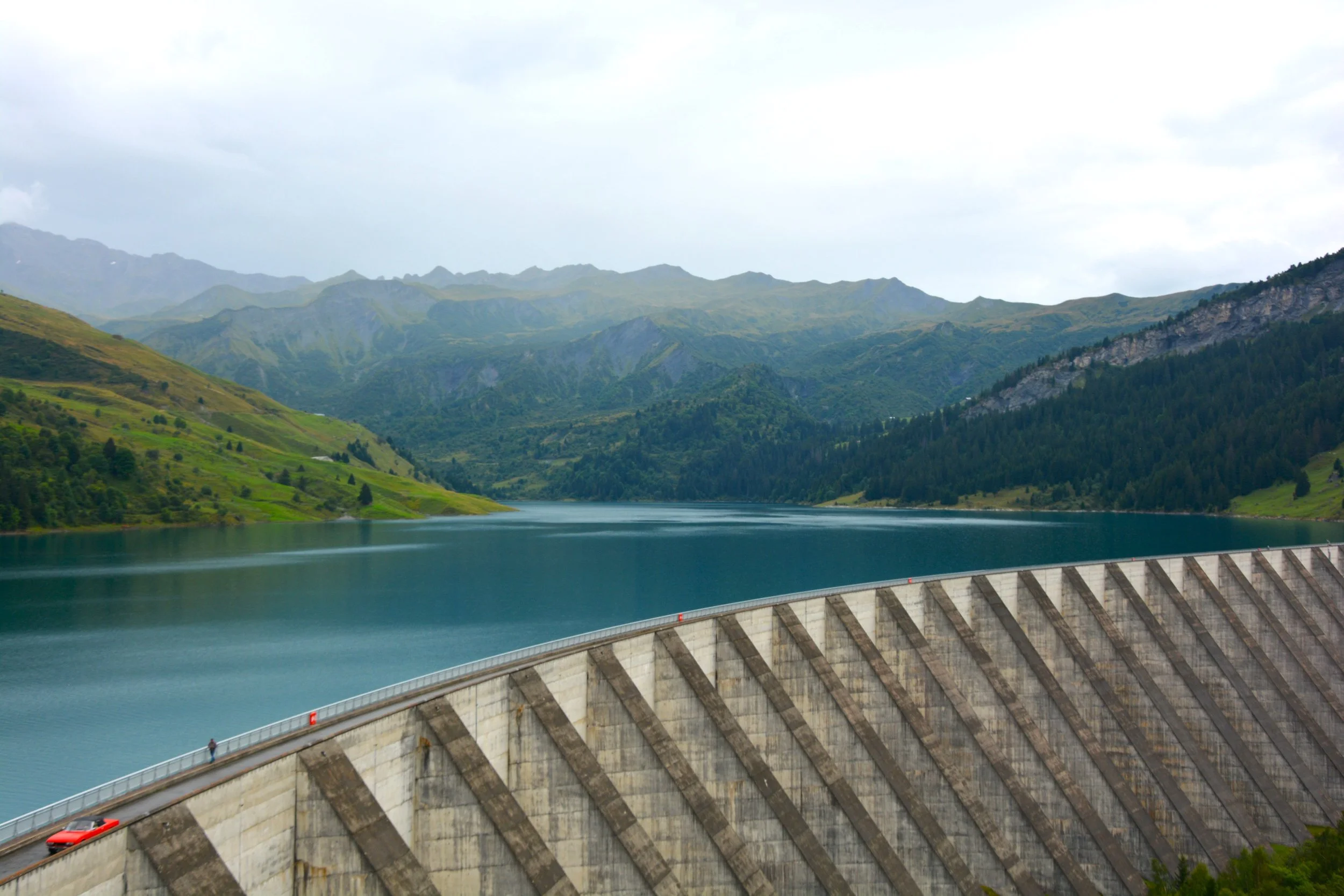
A Climate Choice
Digital infrastructure in the Nordics is a climate choice.
01
High share of renewables
The Nordic power mix is among the cleanest in Europe, giving AI capacity built here a structurally lower carbon footprint.
02
Natural cooling
The Nordic climate reduces cooling energy demand year-round — one of the largest single drivers of facility efficiency.
03
Excess heat as a resource
Waste heat can be reused in district heating and local industry, turning a by-product into community value.
Local value creation
04
Construction activity, long-term jobs and tax base in host regions.